
Why simple food categories are becoming more interesting again
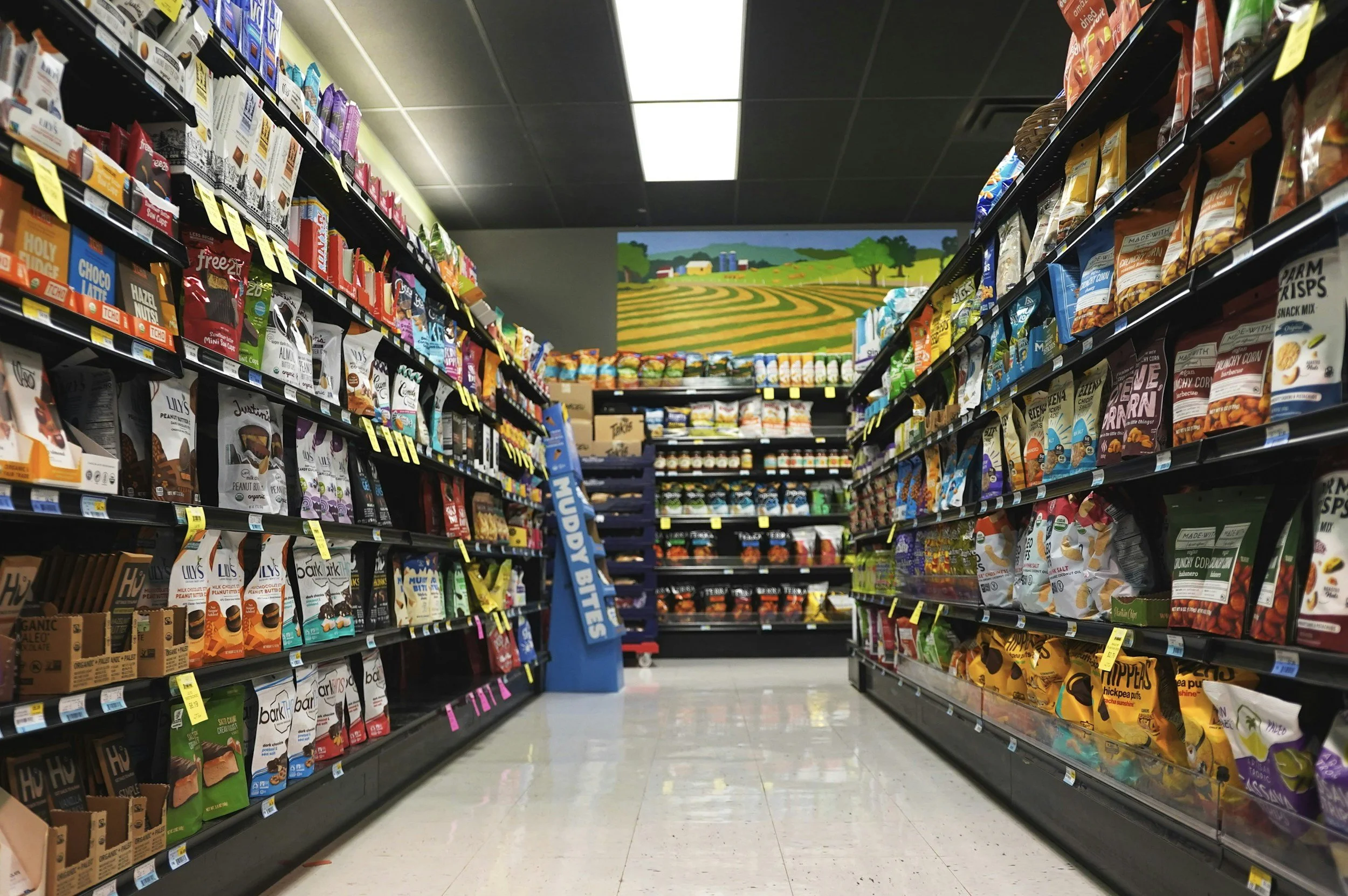
Walk down any supermarket aisle and it is easy to assume the basics are already done. Yoghurt, snacks, ready meals. These are established categories that feel saturated.
In reality, some of the biggest changes in food and drink are happening inside these everyday products.
The UK food and beverage market is large and still growing, valued at around $188 billion in 2025, with continued expansion expected over the coming years, driven by demand for healthier products, convenience and more sustainable production.
What is changing is not the categories themselves, but what consumers expect from them.
Snacking is no longer just about convenience
Snacking behaviour shows this shift clearly.
Around 58% of UK consumers snack daily, and this has become a consistent part of everyday eating habits.
More importantly, why people snack is changing.
More than half of consumers now say they use snacks to support their daily nutrition, not just for convenience or indulgence.
At the same time, trust in food is becoming more important:
71% of UK adults are actively trying to avoid ultra-processed foods
77% prefer products with fewer, simpler ingredients
This is pushing brands to rethink how products are made, not just how they are marketed.
Functional food is becoming the default
A few years ago, “functional food” was niche. Now it is becoming standard.
Consumers are increasingly choosing products based on specific benefits such as protein content, fibre, gut health or energy, rather than just taste.
This shift is visible in retail behaviour. Data from a major UK online grocer shows that searches for “high protein” foods have more than doubled year on year, reflecting how quickly preferences are changing.
At the same time, the wider healthy food market continues to grow steadily, driven by demand for low-fat, high-protein and clean-label products.
Sustainability is becoming part of how products are built
Alongside health, sustainability is becoming a core part of how food is produced.
The focus is shifting from marketing claims to practical changes inside production and supply chains.
One area gaining attention is waste reduction. Across the food industry, there is growing interest in reusing by-products that would traditionally be discarded. Research into ingredients derived from food production waste is expanding as a way to improve efficiency and reduce environmental impact.
More broadly, there is increasing demand for:
Reduced waste across production
More transparent supply chains
Greater use of locally sourced ingredients
Why this matters for investors
Taken together, these trends are creating a specific type of opportunity.
Not entirely new ideas, but better versions of familiar ones.
Businesses that are gaining traction in this space tend to:
Improve the nutritional profile of everyday products
Simplify ingredients and production
Fit into modern consumption habits
Build repeat purchasing behaviour early
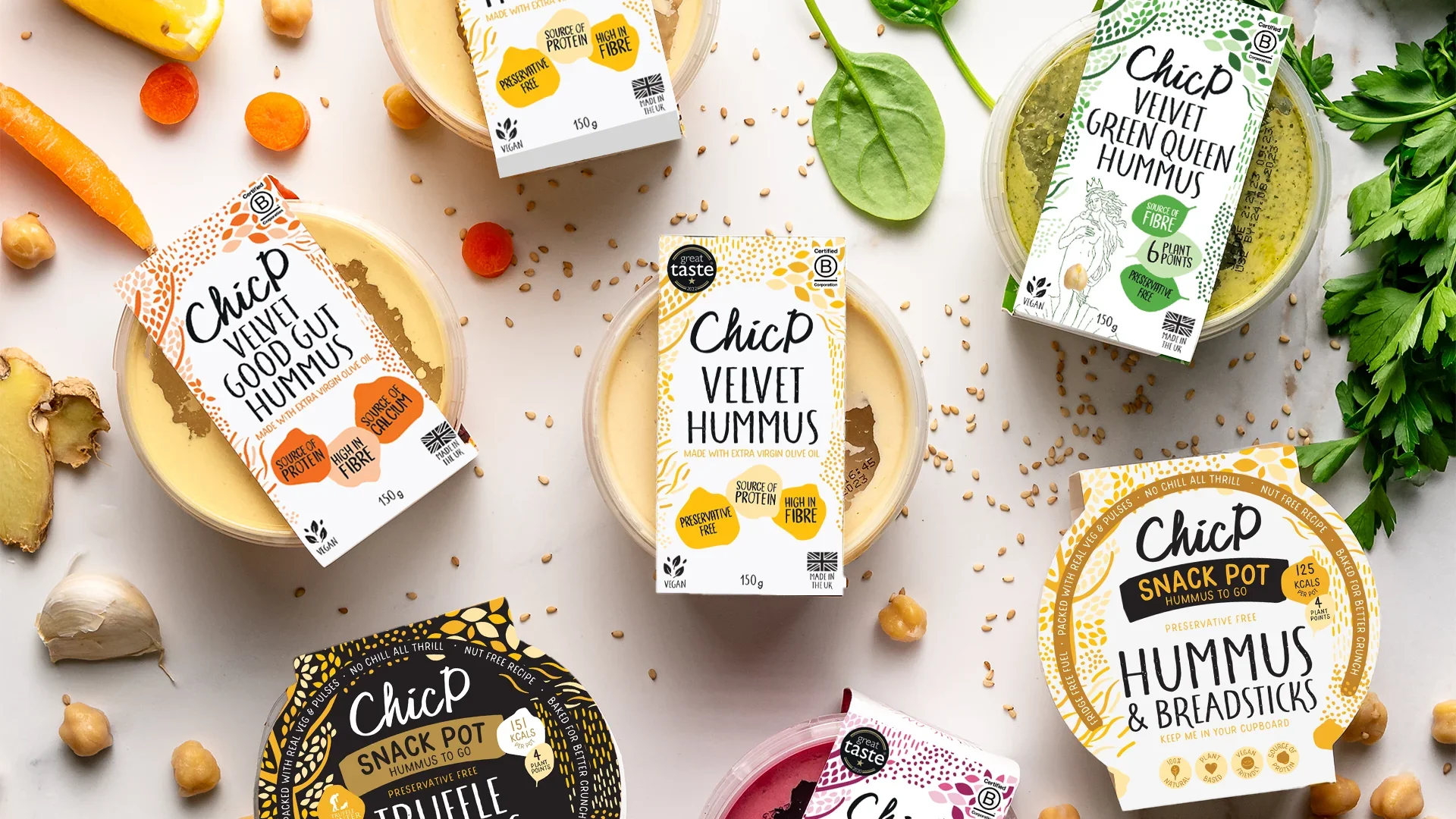
Early-stage brands that align with these trends are already showing signs of traction. For example, one UK plant-based hummus brand, Chic P has recorded over 60% year-on-year sales growth on Ocado, highlighting how quickly consumer demand can build once product-market fit is established.
Part of its differentiation comes from incorporating aquafaba (a by-product of chickpea processing) into its recipes, helping reduce waste while improving texture and nutritional profile, an example of how sustainability and product innovation are increasingly linked.
Many of these businesses raise capital through the Enterprise Investment Scheme (EIS).
In the 2024–2025 tax year, over £1.5 billion was invested into UK companies through EIS, across thousands of businesses.
For eligible investors, this can include:
30% income tax relief
Potential capital gains tax advantages
Loss relief if an investment underperforms
These features are designed to support early-stage investment, including within food and beverage.
Accessing this part of the market
At Innovate Capital Partners, we work with businesses operating within sectors such as food and beverage, where these structural trends are driving new company formation and growth.
We are not authorised by the FCA and do not provide investment advice.
Access to detailed information, including investment materials and opportunities, is made available for certified investors through our FCA regulated partner, Envestors.
If you would like to explore this space
You can:
Subscribe to receive selected opportunities directly to your inbox.
or
Visit our FCA regulated partner, Envestors, to view current opportunities and access full information before making any decisions.
Sources:
Mintel, UK Consumer Snacking Report 2025
Food Research Lab, UK Functional Foods Trends 2025
Ocado Retail, “Demand for high-protein foods soars” (March 2025)
Market Research Future, UK Healthy Food Market Report 2026
Quadram Institute, “Analysing aquafaba to improve plant-based foods and reduce food waste” (2025)
Lupa Foods, UK Food Market Trends Report 2024–2025
EISA, Enterprise Investment Scheme statistics (HMRC 2026 release)
Chic P News sources:
ChicP YoY sales growth on Ocado – Coherent Market Insights (2025)
ChicP Ocado growth coverage – The Plant Base
ChicP launch & sales growth – Retail Times