
The Growing Power Constraint Behind Data Centre Expansion
The rapid expansion of data centres, driven by artificial intelligence, cloud computing and digital infrastructure, is now one of the defining themes shaping global energy demand. While much of the focus has been on growth, performance and capacity, an equally important constraint is emerging: access to power.
Across 2025–2026, the relationship between digital infrastructure and energy systems has tightened significantly. Data centres are no longer simply technology assets; they are increasingly critical components of national infrastructure, with direct implications for energy markets, planning systems and private capital allocation.
A Structural Shift in Energy Demand
Recent data highlights the pace and scale of change:
Data centre electricity demand grew by approximately 17% in 2025, materially outpacing overall energy demand growth of around 3% [iea.org]
Global data centre electricity consumption reached roughly 460 TWh in 2025, representing around 1.8% of total global electricity use [sustainableatlas.org]
Demand is expected to double by 2030, with AI workloads as the primary driver of growth [iea.org]
In the UK, electricity demand from data centres is forecast to increase more than fivefold by 2030 [niauk.org]
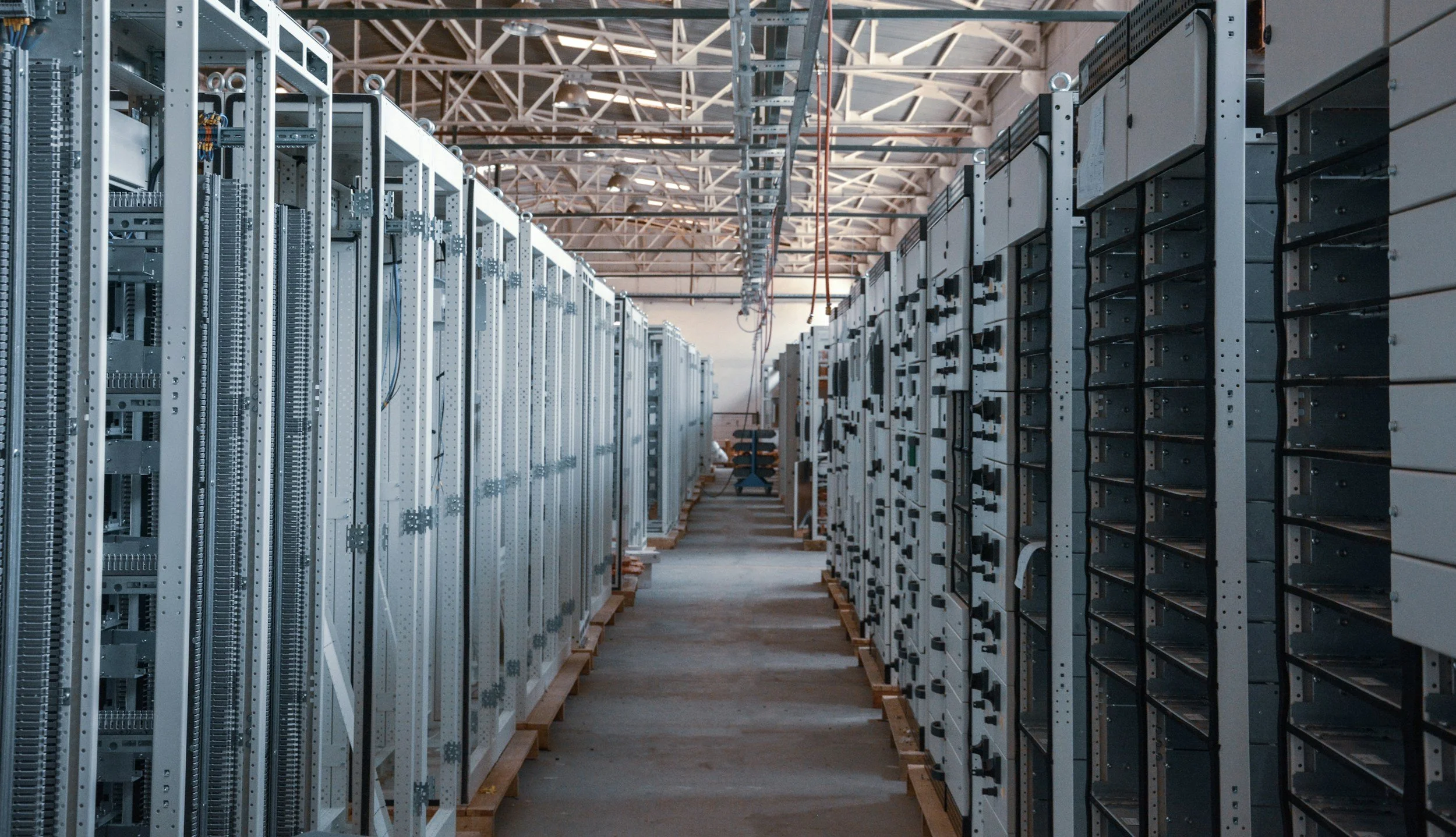
These trends are not isolated. Investment in data centre infrastructure has accelerated in parallel, with major technology companies committing over $400 billion in capital expenditure in 2025, with further expansion expected into 2026. [iea.org]
This combination of demand growth and capital deployment is placing increasing pressure on existing power systems and infrastructure capacity.
The Emergence of Power as the Primary Constraint
Historically, the constraints on data centre growth were linked to land, cooling or connectivity. Today, the dominant constraint is electrical power.
Across Europe and the UK, several factors are converging:
Power demand from data centres in Europe is projected to rise by more than 150% by 2035 [ember-energy.org]
Grid connection timelines for new data centres are typically 7–10 years, with some UK projects facing delays of 10+ years [ember-energy.org], [itpro.com]
In certain cases, developers are encountering grid access timelines of 12–15 years [letsdatascience.com]
At the same time, application volumes for grid connections have surged, creating substantial backlogs. In the UK alone, tens of gigawatts of demand are currently sitting in connection queues, far exceeding near-term capacity expectations. [itpro.com]
For operators, this changes the underlying economics of expansion. The challenge is no longer simply building new data centres, but securing reliable and scalable access to energy.
The Role of Efficiency in Existing Infrastructure
Given these constraints, attention is shifting toward improving the performance of existing infrastructure. Rather than relying solely on new capacity, there is increasing focus on:
Optimising power distribution within operational environments
Enhancing system resilience to reduce downtime risk
Improving energy efficiency across critical infrastructure
In many cases, these improvements can deliver measurable gains without requiring new grid capacity. Industry analysis suggests that digital optimisation and efficiency measures can deliver energy savings in the range of 5–40% in commercial environments, depending on application and system design. [etalytics.com]
This shift reflects a broader transition within the sector. Data centres are not only scaling horizontally through new builds, but also becoming more sophisticated in how they manage, distribute and optimise power internally.
Industrial Capability in Power Distribution and Management
Within this context, operators are increasingly reliant on specialist providers capable of delivering the infrastructure required to manage complex power systems at scale.
These businesses typically operate across:
Electrical switchgear and distribution systems
Critical power infrastructure and redundancy systems
Energy monitoring and optimisation technologies
Installation, servicing and long-term maintenance
Such capabilities are particularly relevant in environments where uptime is critical, including hyperscale data centres, industrial facilities and large-scale commercial operations.
In our work advising and introducing capital to companies operating in this space, including established UK-based businesses focused on power distribution and energy optimisation, we have seen a consistent trend:
Demand is increasingly driven not just by growth, but by the need to extract more value from existing infrastructure.
Investment Activity and Capital Flows
The growth in data centres and associated infrastructure has driven significant capital inflows from both strategic and financial investors.
Key themes include:
Large-scale investment cycles led by hyperscale technology companies, with billions allocated annually to infrastructure expansion [iea.org]
Increasing private market interest in energy-adjacent businesses supporting data centre operations
A shift toward integrated infrastructure strategies that combine digital capacity with energy solutions
While specific investment outcomes vary by business model and execution, the sector has attracted sustained interest due to its exposure to long-term structural trends, including AI adoption, digital transformation and energy transition.
It is important to note that investment returns are not guaranteed and depend on multiple factors including market conditions, operational performance and capital structure. However, the scale and persistence of demand has led many institutional and private investors to view the sector as strategically important within broader infrastructure and technology portfolios.
The Role of Corporate Advisory and Capital Introduction
Innovate Capital Partners operates as an independent corporate advisory and capital introduction firm within this ecosystem.
Our role is focused on:
Supporting established and growth-stage businesses in preparing for capital raises
Facilitating introductions between companies and relevant investor groups
Working alongside FCA-authorised partners to ensure all regulated activity is conducted appropriately
This approach is designed to provide structured, transparent access to private market opportunities while maintaining clear regulatory boundaries.
Accessing Further Information
For investors actively engaged in private markets, access to opportunities within digital infrastructure and energy-related sectors is typically facilitated through regulated platforms.
Further information on selected opportunities may be accessed via our FCA-authorised partner, subject to the appropriate investor classification and onboarding requirements.
Alternatively, for those seeking an initial discussion on sector trends or specific businesses operating within this space, introductions can be arranged directly prior to reviewing formal materials.
Closing Perspective
The growth of data centres is not simply a technology trend. It is a structural shift that is reshaping energy demand, infrastructure planning and investment flows globally.
As power availability becomes the defining constraint on expansion, businesses that can enhance efficiency, resilience and distribution within existing systems are likely to play an increasingly important role in the evolution of the sector.
For more information please get in touch: